

What is fine dining etiquette, and what makes an upscale dining experience different from an ordinary meal? Beyond food quality, it includes table manners, service procedures, dress codes and respectful interactions throughout the meal. Understanding these basics can help guests feel more confident when dining at Hotel Nikko Saigon in Ho Chi Minh City.
I. What Is Fine Dining Etiquette?
Fine Dining is an upscale dining experience that emphasizes high-quality food, refined presentation and attentive professional service. Beyond the dishes themselves, it also focuses on creating a sophisticated and memorable experience for guests.
1. Concept
Fine dining etiquette refers to the manners and behaviors expected during an upscale dining experience. It includes how guests use cutlery, interact with service staff, follow the meal sequence and behave around other diners.
For first-time guests, fine dining etiquette is less about following complicated rules and more about showing consideration. Waiting for everyone to receive their dish, keeping conversations at a comfortable volume and using tableware appropriately are simple examples.
Another important aspect of fine dining etiquette is understanding the pace of the meal. Courses may be served in a planned sequence, allowing guests to enjoy each dish without feeling rushed. Guests can also ask the service team about unfamiliar ingredients or menu items.
2. Origin and Development
Fine Dining originated from France’s haute cuisine tradition, associated with the dining culture of the aristocracy and upper class. Food quality, cooking techniques, presentation and formal service were carefully emphasized. In the 19th century, Marie-Antoine Carême helped systematize haute cuisine, laying the foundation for refined dining in restaurants.
In the late 19th and early 20th centuries, Auguste Escoffier further modernized French cuisine and professionalized kitchen operations, particularly at luxury hotels such as the Ritz Paris and Savoy London. His contributions helped make refined dining more widely established in the hotel and restaurant industry.
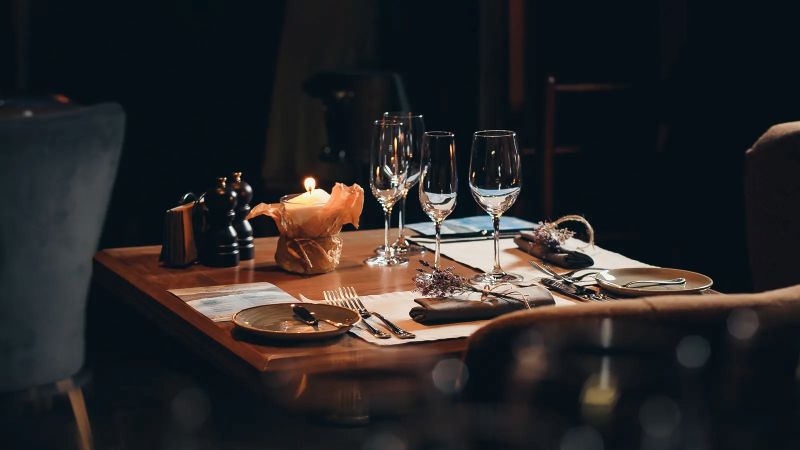
In 1926, the MICHELIN Guide began awarding stars to restaurants, later developing into a one- to three-star system. These distinctions helped shape how culinary excellence was evaluated. Today, Fine Dining goes beyond food, combining quality ingredients, culinary techniques, presentation, service and the overall dining environment.
II. 10 Fine Dining Restaurant Terms You Should Know
Understanding common terminology can make it easier to read a menu and communicate with the service team. These 10 terms are commonly associated with a fine dining restaurant:
- Amuse-bouche: A small complimentary bite served before the main courses to awaken the palate.
- À la carte: A menu format where individual dishes are ordered separately.
- Course meal: A meal served through several courses in a planned sequence.
- Degustation / Tasting menu: A selection of small dishes designed to showcase the chef’s style.
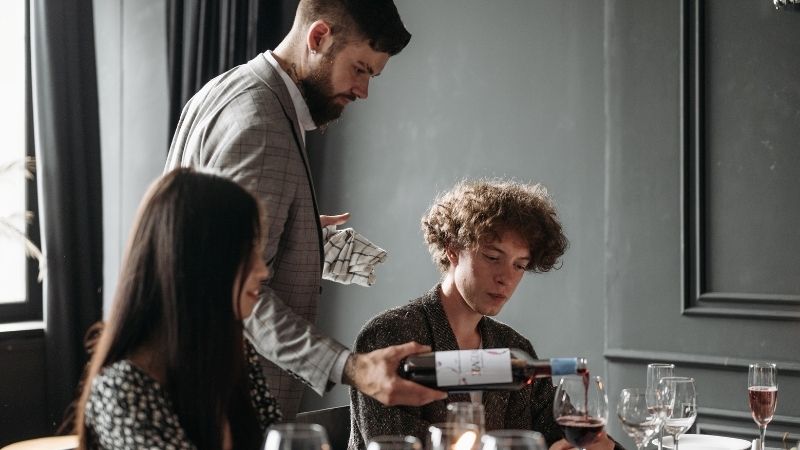
- Sommelier: A wine professional who helps guests select wines and recommends pairings.
- Wine pairing: Matching wine with specific dishes to complement their flavors.
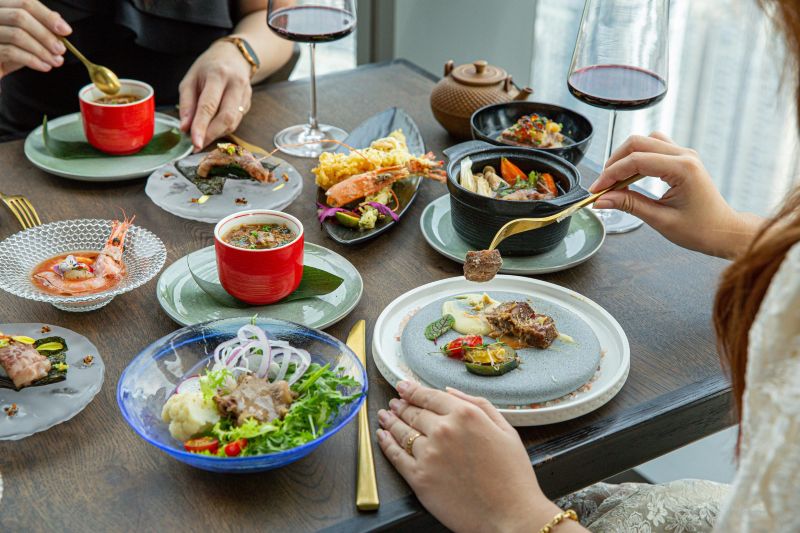
- Plating: The presentation of food on a plate, considering composition, color and visual appeal.
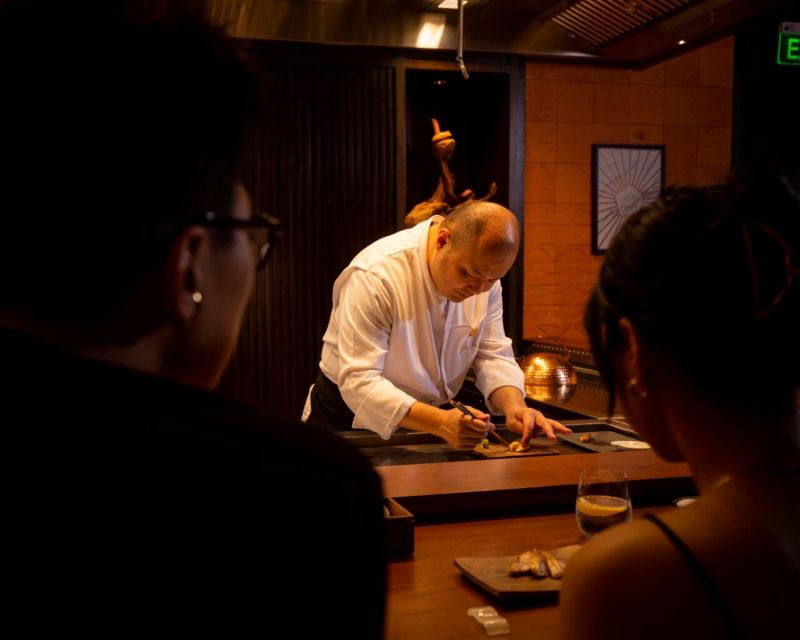
- Chef’s table: A dining area near or within the kitchen where guests can observe the chefs.
- Table d’hôte: A fixed menu offering several courses at a set price.
- Palate cleanser: A light food or drink served between courses to refresh the palate.
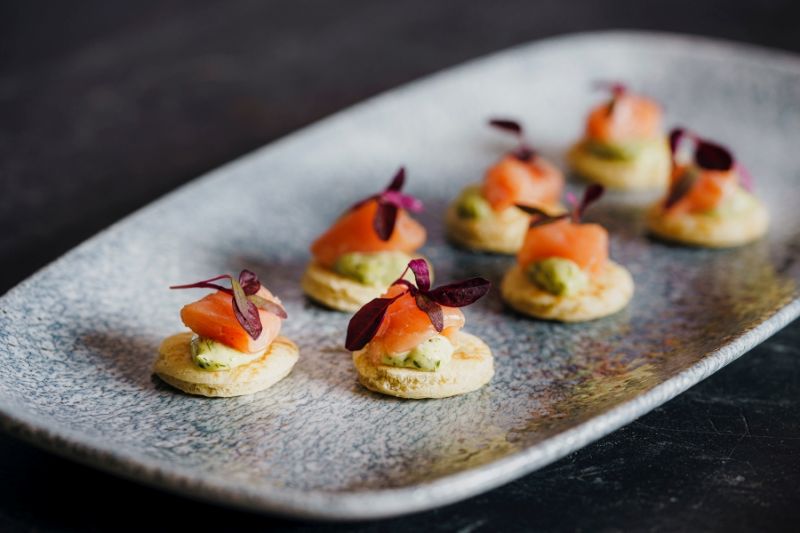
III. Fine Dining Service Process
The service process is an important part of fine dining etiquette, with each stage designed to create a smooth and comfortable dining experience.
- Welcoming and Seating: The service team welcomes guests, confirms the reservation and guides them to their table.
- Introducing the Menu: Staff introduce the menu and courses, while explaining ingredients or accommodating special dietary requests when needed.
- Ordering Food and Drinks: Guests select their dishes and may receive recommendations for beverages or wine pairings that complement their meal.
- Serving the Courses: Each course is served in sequence, with appropriate timing between dishes to ensure a comfortable dining experience.
- Introducing the Dishes: The service team may explain the ingredients, preparation techniques or story behind each dish, adding context to the dining experience.
- Completing the Dining Experience: After dessert, staff assist with the payment process, ask about the guest’s experience and provide a courteous farewell. Following fine dining etiquette throughout the meal helps maintain a respectful and enjoyable atmosphere.
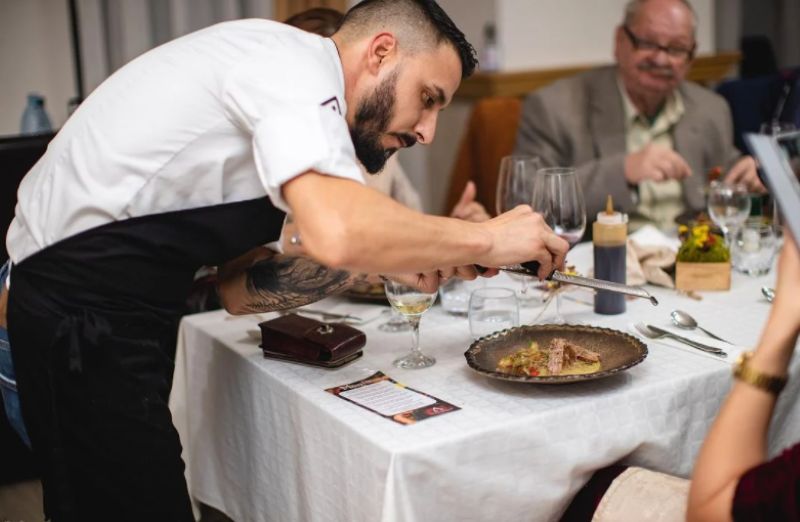
IV. Hotel Nikko Saigon – A 5-Star Fine Dining Restaurant in Ho Chi Minh City
For travelers researching fine dining etiquette and fine dining in ho chi minh, five-star hotels offer diverse dining concepts in one destination. Hotel Nikko Saigon features La Brasserie for international buffet dining, Ming Court for Chinese cuisine with a Taiwanese touch, and The Lounge for coffee, afternoon tea and beverages.
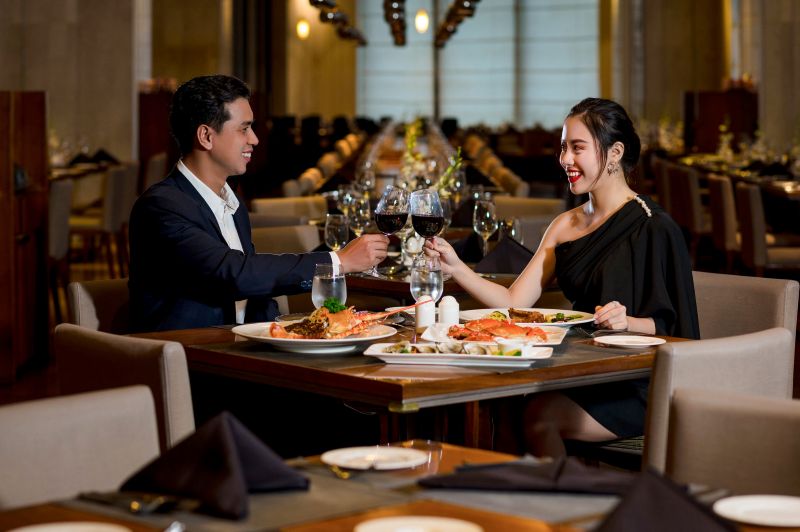
1. La Brasserie – Breakfast Buffet and Seafood Buffet Dinner
Located on Level 2, La Brasserie serves international buffet dining for breakfast and dinner. Breakfast is available from 6:00–10:00 AM on weekdays and 6:00–10:30 AM on weekends and public holidays. Seafood Buffet Dinner is served daily from 6:00–10:00 PM.
For guests seeking fine dining in ho chi minh, La Brasserie provides a premium buffet experience rather than a traditional multi-course Fine Dining format. The restaurant is suitable for families, couples and seafood lovers looking for an upscale dining setting.
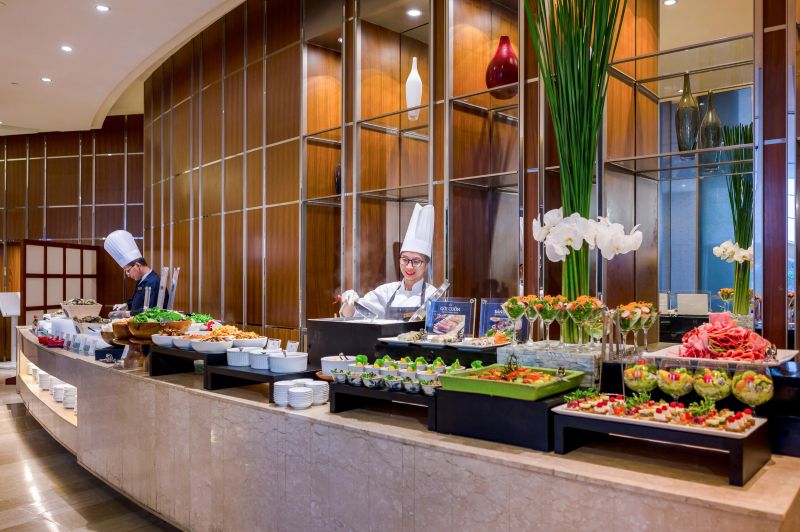
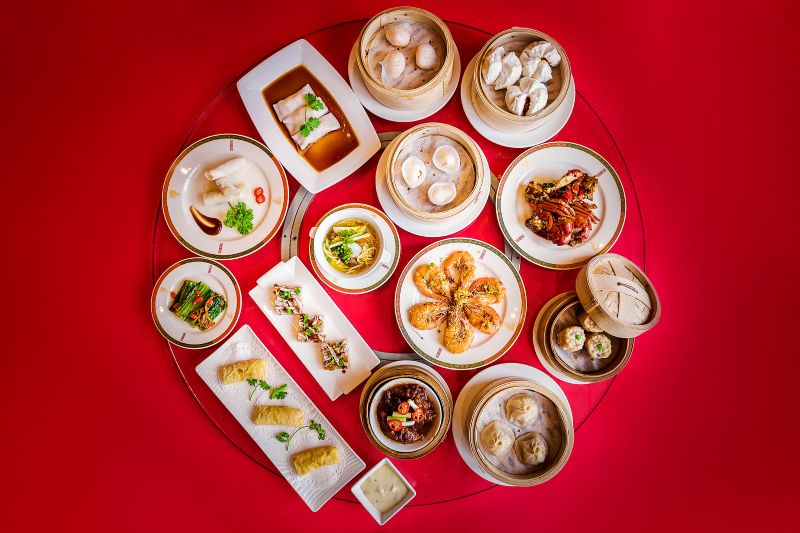
2. Ming Court – À La Carte, Set Lunch and Chinese Set Menu
Located on Level 3, Ming Court specializes in Chinese cuisine with a Taiwanese touch. The restaurant serves lunch from 11:00 AM–2:00 PM and dinner from 6:00–10:00 PM, with à la carte and set menu options.
For guests considering a fine dining restaurant in saigon for a formal occasion, Ming Court is suitable for business lunches, partner meetings, family gatherings and private dinners. Two private dining rooms a ccommodate 12 and 25 guests respectively.
For a more formal fine dining Ho Chi Minh City experience, private dining can also provide greater privacy for conversations and special occasions.
3. The Lounge – Coffee, Afternoon Tea and Cocktails
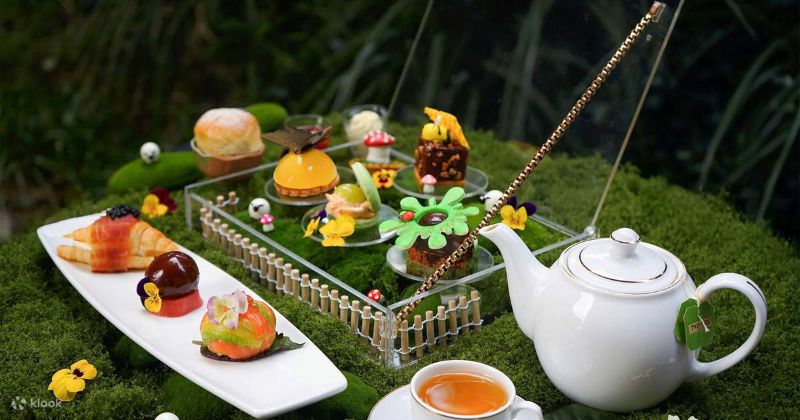
Located in the hotel lobby, The Lounge offers a more relaxed setting with coffee, pastries, snacks and beverages. The venue operates daily from 7:00 AM to midnight. Afternoon tea is available from 2:00–5:00 PM, while à la carte dishes and cocktails are served in the evening.
Unlike a traditional fine dining restaurant, The Lounge focuses on relaxed social dining. It is suitable for coffee meetings, afternoon tea, casual dates or an evening drink. For visitors exploring fine dining in ho chi minh, understanding this difference can help them choose the venue that best matches the occasion.
>>>You may also like these: Restaurants in District 1: The Ideal Choice for Important Meetings and Guest Hosting
V. FAQs About Fine Dining Etiquette
1. Is There a Dress Code at a Fine Dining Restaurant?
Not every fine dining restaurant follows the same dress code. Requirements can vary depending on the venue, time of day and occasion. When no specific requirement is stated, neat and polished clothing is generally a safe choice. For business dinners or special occasions, more sophisticated attire can complement the atmosphere.
Good fine dining etiquette also includes considering the restaurant’s overall environment when choosing what to wear.
2. Is Fine Dining in Ho Chi Minh City Suitable for Business Dinners?
Yes. A refined atmosphere, attentive service and private dining options can make fine dining Ho Chi Minh City venues suitable for business dinners and partner meetings. At Hotel Nikko Saigon, Ming Court offers private dining rooms for 12 and 25 guests, making it suitable for business meetings, family gatherings and special occasions requiring additional privacy.
Guests should also follow basic fine dining etiquette during business meals by maintaining a professional tone and allowing everyone enough time to order and enjoy the meal.
3. Do You Need to Make a Reservation Before Visiting a Fine Dining Restaurant?
Making a reservation in advance is recommended, particularly for dinner, weekends and special occasions. It allows the restaurant to prepare the appropriate table and accommodate specific requests. For guests learning fine dining etiquette, checking the menu, opening hours and dining format before visiting can also make the experience more comfortable.
When choosing a fine dining restaurant, guests should also confirm the dining concept beforehand. This helps ensure the venue matches the occasion, preferred cuisine and expected level of formality.
VI. Conclusion
If you are still wondering what fine dining is and which experience to choose, you can check the menu, serving hours, and ordering options in advance. This is a simple way to choose a restaurant that suits your budget and the purpose of your meal. Hotel Nikko Saigon currently provides direct booking information for its restaurant system. The hotel also offers private dining at Ming Court upon request.
—————————
Contact information:
Hotel Nikko Saigon
Địa chỉ: 235 Nguyen Van Cu Street, Cau Ong Lanh Ward, Ho Chi Minh City, Vietnam (Formerly District 1)
Tel: 028 3925 7777
Email: info@wyndhamhalong.com, sales-co2@wyndhamhalong.com
Website: https://hotelnikkosaigon.com.vn/
Fanpage: https://www.facebook.com/hotelnikkosaigonvn