

Omotenashi meaning refers to a distinctive Japanese hospitality philosophy that emphasizes sincerity, thoughtfulness, and care for the guest experience. Omotenashi focuses on proactively recognizing needs and creating comfort in a natural way. This spirit can be seen in everything from welcoming guests and designing spaces to dining and service throughout the stay. At Hotel Nikko Saigon, these values are combined with a modern service style, creating a Japanese hospitality experience in the heart of Saigon.
I. What Is Omotenashi? Why Does Omotenashi Matter to the Modern Hotel Industry?
Omotenashi reflects the Japanese way of showing respect and care for others through sincerity, thoughtfulness, and attentiveness. Rather than simply responding to requests, this spirit also focuses on proactively recognizing guests’ needs and creating comfort in a natural way. This is also a defining value of Japanese hospitality culture.
1. What Is Omotenashi?
Omotenashi meaning refers to a distinctive Japanese hospitality spirit that emphasizes sincerity, attentiveness, and proactive care for the guest experience. Instead of simply waiting for guests to make requests, staff pay attention to their circumstances and needs to provide appropriate support. At the heart of Omotenashi is care expressed naturally, without being showy or making guests feel disturbed.
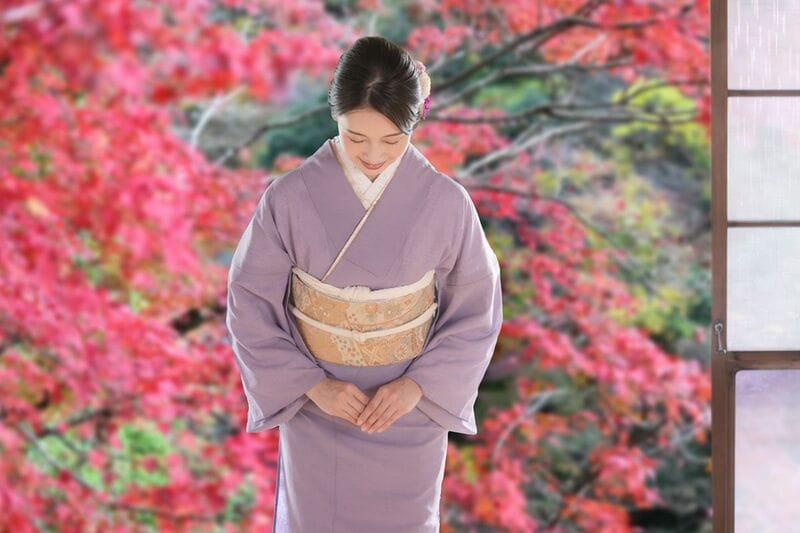
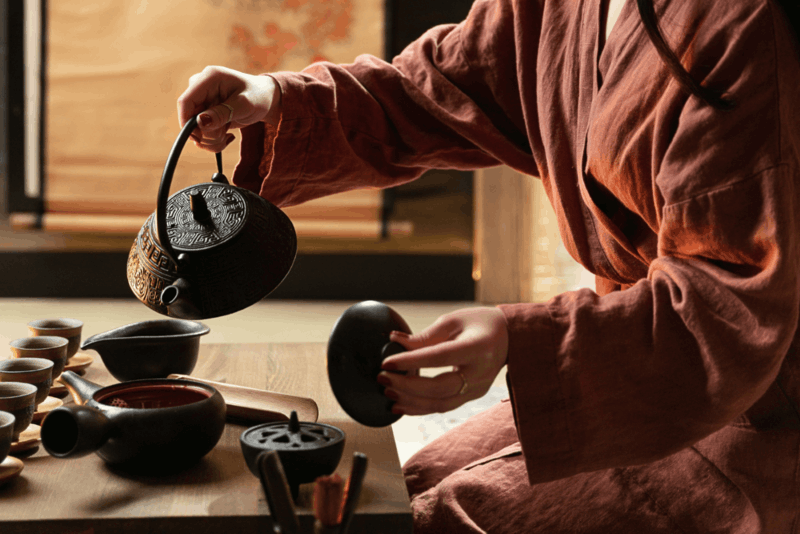
The concept has roots in Japanese tea ceremony, where welcoming guests is carefully prepared through the setting, utensils, and way of serving. The spirit of ichigo ichie, often understood as cherishing each encounter, also contributes to an approach that values every moment of hospitality. Therefore, Japanese omotenashi is not only about the way service is delivered but also expresses respect and appreciation for guests.
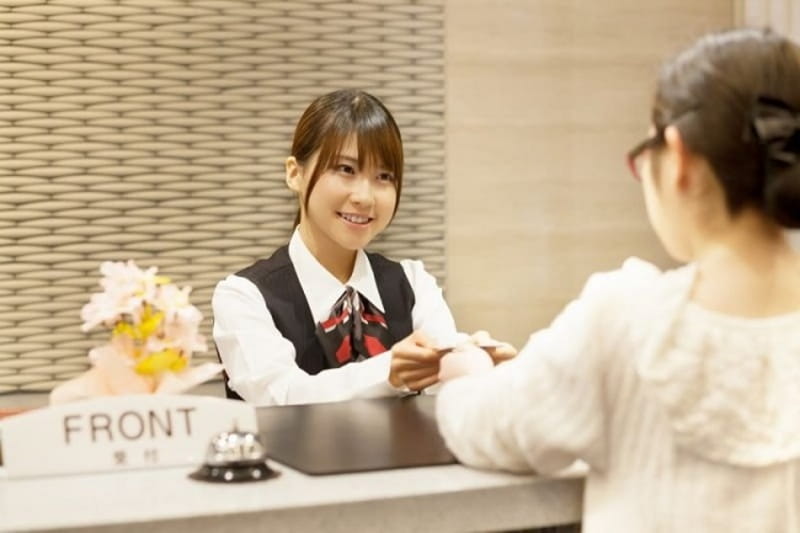
In the hotel industry, this spirit can appear through familiar details such as welcoming guests, providing check-in guidance, assisting with luggage, noting special requests, or respecting personal space. These seemingly small actions contribute to a consistent experience throughout the stay.
2. The Core Values of Omotenashi
To fully understand omotenashi meaning, it can be viewed through four prominent values: sincerity, proactiveness, thoughtfulness, and personalization. When combined, these elements create a service approach that is both attentive and appropriate to each guest’s circumstances.
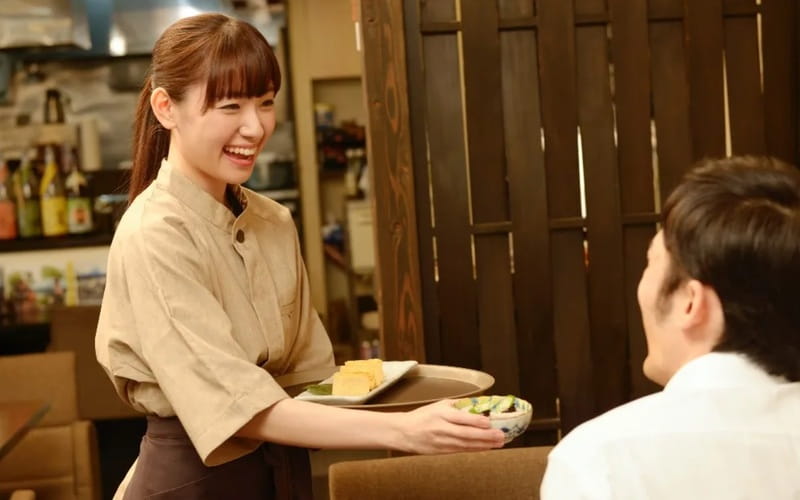
Sincerity is expressed through a respectful attitude and a genuine desire to support guests, rather than simply following a procedure. Proactiveness lies in the ability to observe and recognize needs before guests have to ask. Meanwhile, thoughtfulness is expressed through timing, communication, and small details throughout the service process.
Personalization prevents service from becoming a one-size-fits-all formula. Business travelers may need speed and privacy, while families may care more about convenience in their daily routines. Adapting to each circumstance allows Japanese omotenashi to be expressed more naturally.
3. Why Does Omotenashi Matter to the Modern Hotel Industry?
Today, the stay experience is not evaluated only through rooms or the number of amenities. The way guests are welcomed, the ability to provide support when needed, the dining experience, and the convenience of using services can all influence the overall impression. This is also why omotenashi hospitality has become a topic worth considering when discussing hotel service culture.
This spirit allows hotels to view the guest experience as a continuous journey rather than a collection of separate services. When staff know how to observe, proactively provide support, and adjust their service approach according to each situation, the service can feel more natural while still maintaining the required standards.
More importantly, Omotenashi needs to be reflected in the operating culture rather than used only as a communication message. From staff training and coordination between departments to the way guest requests are handled, consistency determines how the spirit of hospitality is experienced in practice.
>>>Read more:What Makes 5-Star Hotel Rooms Special? Discover the Premium Room Types at Hotel Nikko Saigon
II. The Spirit of Omotenashi at Hotel Nikko Saigon
At Hotel Nikko Saigon, the spirit of Omotenashi is placed within a stay experience in the heart of Saigon, where Japanese elegance meets Vietnamese culture. From accommodation and dining to relaxation facilities, the hotel provides various options for guests to rest, dine, and enjoy their stay according to their individual needs.
1. Omotenashi in the Stay Experience
What does omotenashi meaning look like when expressed in a hotel? It is not only found in the way staff welcome or assist guests, but also in how the entire stay experience is prepared and maintained. At Hotel Nikko Saigon, with 334 rooms, suites, and apartments across 23 floors, the spirit of Omotenashi is reflected in the way guest rooms are designed with comfort and convenience in mind. From interior arrangements to in-room amenities, each detail is designed around guests’ natural needs for rest and use.
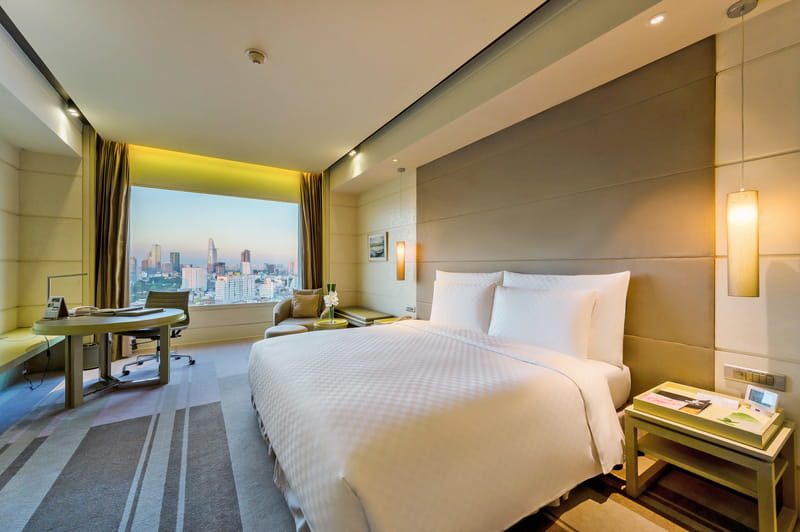
For guests staying in Club categories, the experience is further extended at the Nikko Club Lounge on the 23rd floor. Here, breakfast, afternoon tea, and happy hour are available at different times; eligible guests can also check in and check out at the lounge. These options provide additional convenience during the stay while showing how the spirit of Omotenashi can be expressed through services organized appropriately for different guest groups.
2. Thoughtfulness in Every Service Touchpoint
Thoughtfulness in service does not necessarily come from elaborate gestures. Sometimes, it is the way information is provided clearly, a space is arranged appropriately, or a service is available when guests need it. These details help the service process feel more natural while maintaining guests’ privacy.
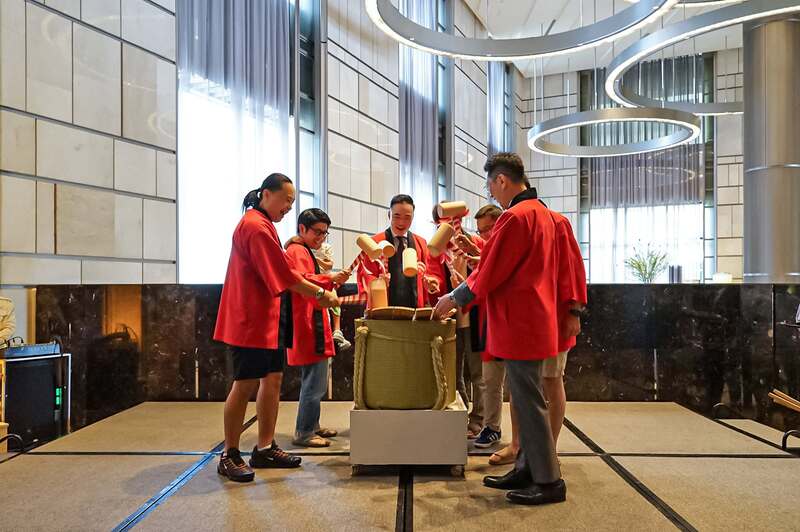
At Hotel Nikko Saigon, facilities are arranged to meet different needs during the stay:
- Outdoor Swimming Pool: Includes a separate area for children, suitable for guests staying with family.
- Fitness Center: Open from 6:00 to 23:00, serving guests’ exercise and fitness needs.
- Ren Spa: Located on the 5th floor, open from 10:00 to 23:00, with 5 treatment rooms.
- Nikko Club Lounge: Located on the 23rd floor, serving breakfast, afternoon tea, and happy hour; Club guests can check in and check out at the lounge.
- Meeting Spaces: A system of 7 function rooms that can accommodate up to 430 guests for a banquet or 600 guests for a cocktail event, suitable for different types of events.
These facilities provide additional options for guests, from exercise and relaxation to body care within the hotel.
>>>Read more: A Luxury Corporate Event Venue Ho Chi Minh City for Businesses
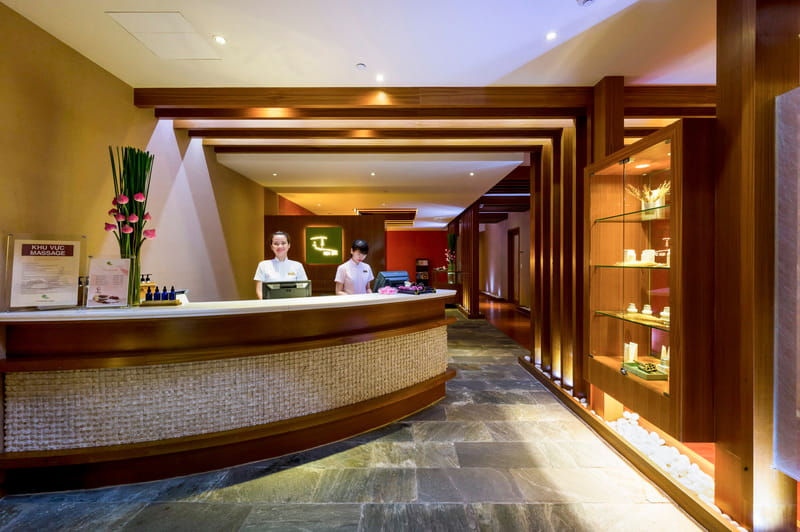
From this perspective, Omotenashi can be viewed from another angle: thoughtfulness is not only found in communication between staff and guests but also in how the hotel creates opportunities for guests to choose experiences that suit them. Business travelers may use the fitness center or lounge, while families may spend time at the swimming pool and common areas.
3. Combining Japanese Hospitality with the Saigon Experience
The Japanese hospitality spirit at Hotel Nikko Saigon is not separated from the local context. Hotel Nikko Saigon is a place where “Japanese elegance meets Vietnamese culture,” while also emphasizing how the spirit of Omotenashi is brought into the rhythm of life in Saigon. Therefore, the Japanese element serves as a foundation of the experience rather than becoming the entirety of the stay.
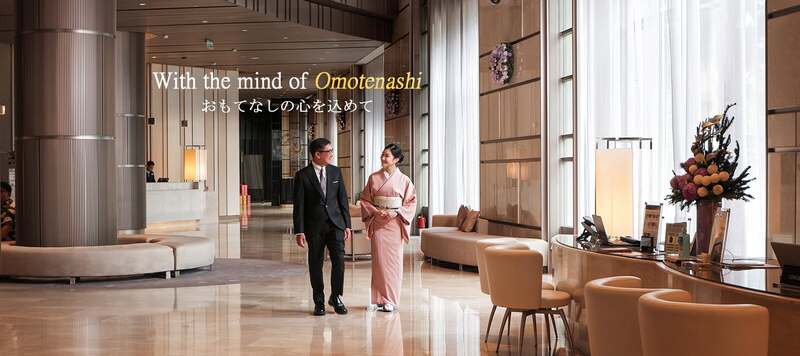
This combination can be clearly seen through the hotel’s dining system. La Brasserie serves an international buffet featuring dishes from different cuisines as well as traditional Vietnamese dishes. Ming Court focuses on Chinese cuisine with a Taiwanese style, while The Lounge provides a space for enjoying drinks and light meals. These choices suit the characteristics of a hotel welcoming different groups of guests in Saigon.
Therefore, when exploring Japanese hospitality culture at Hotel Nikko Saigon, it is possible to look at the combination of Japanese hospitality values and the destination experience. The expression does not necessarily have to be exactly the same as that of a hotel in Japan. Instead, it can be adapted through dining, space, and service to suit the Saigon environment.
4. Omotenashi in Dining and the Stay Experience
Dining and relaxation extend the guest experience beyond the bedroom. Breakfast, afternoon tea, a workout session, or a few hours of relaxation at the spa can all become part of a stay. Therefore, these are also areas where the hotel can demonstrate how it responds to guests’ needs when using its services.
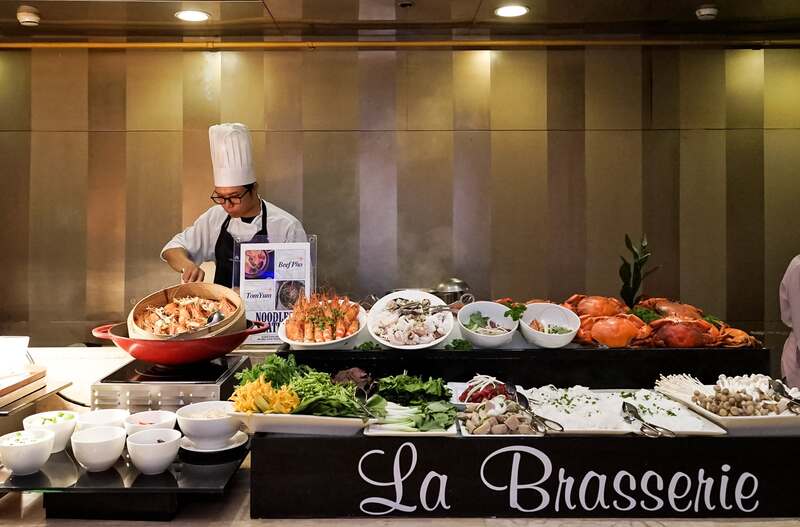
At Hotel Nikko Saigon, La Brasserie on the 2nd floor serves breakfast and dinner buffets, with live cooking stations, international dishes, and traditional Vietnamese dishes. Guests can also choose Ming Court or The Lounge depending on their dining and space preferences. In addition, the swimming pool, Fitness Center, and Ren Spa provide further options for relaxation throughout the day.
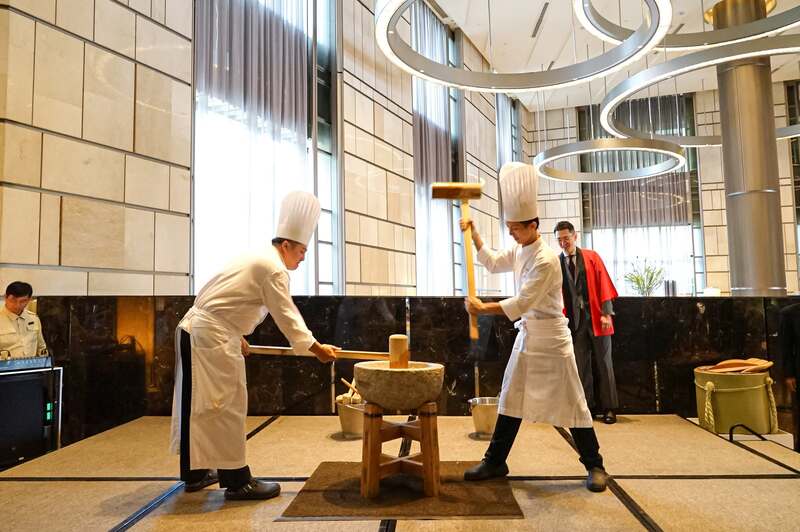
Here, Omotenashi is not only expressed through one specific service approach but also through creating an experience system that can meet different needs. Guests can dine, rest, exercise, or take care of themselves within the hotel without turning their stay into a fixed schedule. This is consistent with the hospitality spirit introduced by Hotel Nikko Saigon: care is provided naturally and in a way that suits each guest’s individual rhythm.
>>>Read more: Top 10 Best Afternoon Tea in Ho Chi Minh City at Luxury Hotels
III. FAQs – Frequently Asked Questions About Omotenashi
1. What criteria can be used to measure service quality according to the Omotenashi spirit?
Omotenashi culture is not only expressed through service attitudes but can also be considered through specific elements of the guest experience. Some criteria that can be used include:
- Ethics: Assessing transparency, fairness, honesty, and respect in the way staff treat every guest.
- Conduct: Assessing staff attitudes, language, manner, and basic communication during the service process.
- Service: Assessing speed, accuracy, and compliance with service procedures and standards.
- Hospitality: Assessing attentiveness in preparation, professional conduct, and the ability to recognize guests’ needs before being asked.
- True Omotenashi: Assessing the ability to provide deep care, understand unspoken needs, and create an experience that goes beyond guests’ expectations.
These criteria can be combined with direct feedback, post-stay reviews, or guest survey results to provide a more complete view of service quality.
2. What makes the stay experience at Hotel Nikko Saigon different from that of a typical Japanese-style hotel?
The difference is not only found in the design style or elements associated with Japan, but also in how the experience is built throughout the stay. At Hotel Nikko Saigon, guests can choose from various room categories, apartments, and services according to their purposes, whether for leisure, business, or long stays.
In addition, the combination of Japanese-style service with spaces, dining, and amenities connected to Saigon creates a distinct hotel experience. This is also how Omotenashi becomes more clearly expressed through the actual experience rather than remaining only a matter of appearance.
3. What services does Hotel Nikko Saigon offer international guests?
Hotel Nikko Saigon provides rooms, restaurants, lounges, and relaxation facilities serving a variety of accommodation needs. International guests can use airport transfer services, an inner-city shuttle, and pay with various international cards such as American Express, Diners Club, JCB International, MasterCard, and Visa. The hotel also has the Nikko Club Lounge with services including breakfast, afternoon tea, and happy hour for guests staying in Club rooms.
IV. Conclusion
Understanding omotenashi meaning gives guests another perspective on the art of Japanese hospitality, where thoughtfulness and care are expressed through many details of the stay experience. At Hotel Nikko Saigon, this spirit is combined with spaces, dining, and services suited to the Saigon experience.
For those who want to learn about and experience Japanese hospitality during their stay, guests can explore Hotel Nikko Saigon and choose rooms, dining options, or facilities according to their needs.
——————–
Contact Information:
Hotel Nikko Saigon
Address: 235 Nguyen Van Cu Street, Cau Ong Lanh Ward, Ho Chi Minh City, Vietnam (Formerly District 1)
Tel: 028 3925 7777
Email: reservation@hotelnikkosaigon.com.vn
Website: https://hotelnikkosaigon.com.vn/
Fanpage: https://www.facebook.com/hotelnikkosaigonvn
Map: